An Investigation of Education Factors that Foster Social and Economic Growth in Barbados
The Barbados Government has embarked upon a novel approach to governing, coordinating and growing the economy. This new methodology is codified in a series of Country Missions that provide a framework for achieving excellence in our human and societal development. The overall aim is to promote strong, inclusive economic growth that will raise living standards, combat marginalization (especially among young people), and provide greater long-term income security for Barbadians, thus helping to combat crime. A further aim of the initiative is to meet critical development needs by paying attention to areas such as adequate supply of healthy, affordable food, a revitalized and sustainable agriculture sector and quality, affordable health care. Among the avenues identified to pursue these desired outcomes is education. It is posited that quality education can help students to develop attitudes, skills and competencies necessary for national economic growth. These necessary qualities go beyond the acquisition of academic knowledge and certification and encompass the so-called ‘soft’ skills that engender skills such as effective communication, respect for self and others, a spirit of collaboration rather than competition, critical thinking and problem solving.
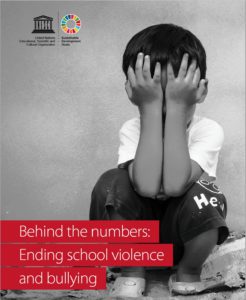
Behind the numbers: Ending school violence and bullying
In recent years, there has been much speculation about the quality of education in Barbados.
Public debates about the perceived deterioration of the state of education abound in the
media. The Barbadian public speculates about how much erosion in our education system
has resulted from schools having to deal with issues of new immigrants, new policies,
new reform movements, a perceived “top down” approach to school management, student
indiscipline, and teacher dissatisfaction. There is also general concern about academic
apathy among school children and much conjecture about its cause pervades every level of
society, as parents, teachers, and other stakeholders in education look for answers.
The Effectiveness of the Education for Democratic Citizenship in the Caribbean Project
In August 2005, Ministers of Education of OAS Member States adopted the Inter-American Program on Education for Democratic Values and Practices. The main objective of this program is to promote the development of a democratic culture through education. One of the means identified for doing this is through professional development for teachers.
Academic Achievement in Public Schools in Barbados
In recent years, there has been much speculation about the quality of education in Barbados.
Public debates about the perceived deterioration of the state of education abound in the
media. The Barbadian public speculates about how much erosion in our education system
has resulted from schools having to deal with issues of new immigrants, new policies,
new reform movements, a perceived “top down” approach to school management, student
indiscipline, and teacher dissatisfaction. There is also general concern about academic
apathy among school children and much conjecture about its cause pervades every level of
society, as parents, teachers, and other stakeholders in education look for answers.